
Graphic Design Myths vs Facts | Purpose-Driven Design Insights
Explore 5 common graphic design myths and the facts behind them. Learn how strategic, purpose-driven design helps build stronger, more effective brands.
Graphic design is often misunderstood as being purely focused on visuals and aesthetics. While visual appeal is important, design is much more than making things look good.At its core, graphic design is a strategic communication tool that helps brands express ideas clearly, connect with audiences, and influence perception.
Purpose-driven design starts with strategy. When design is intentional, it becomes a powerful tool for clarity, consistency, and impact. In this blog, we break down five common misconceptions about graphic design and uncover the facts behind them.
Graphic design is not decoration, it is communication. Every design decision, from typography and colour to layout and spacing, serves a purpose. Effective design guides attention, communicates messages clearly, and supports specific business goals. Good design does not only attract attention – it directs it with intention.

Design tools have made visual creation more accessible, but tools alone do not create effective design. Strong design is built on research, audience understanding, brand positioning, accessibility, and intentional decision-making. Without strategy, even well-designed visuals can fail to communicate effectively.Tools support execution, but strategy drives impact.

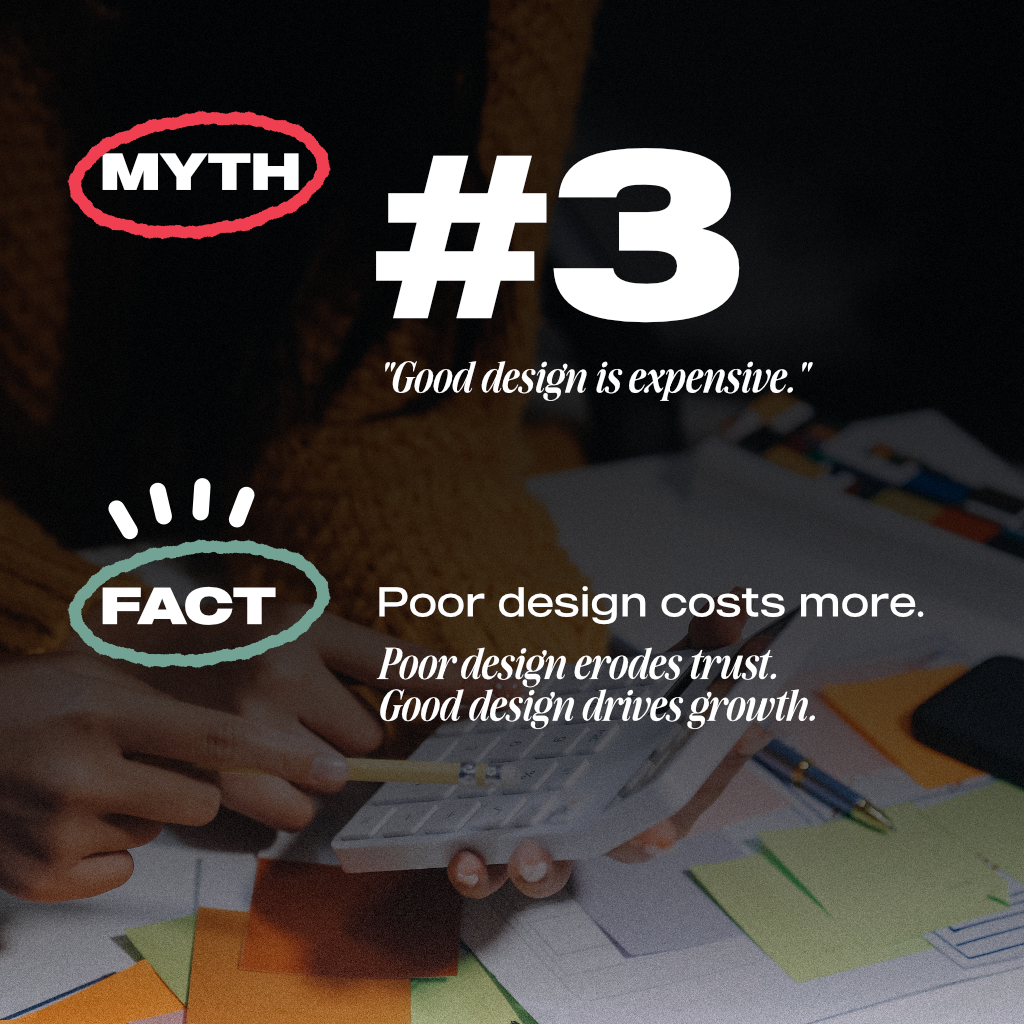
While professional design requires investment, poor design often leads to greater long-term costs. Weak or inconsistent design can damage credibility, reduce trust, and limit business growth. Strong design improves recognition, strengthens perception, and supports long-term success.Design is not an expense – it is an investment in brand value.
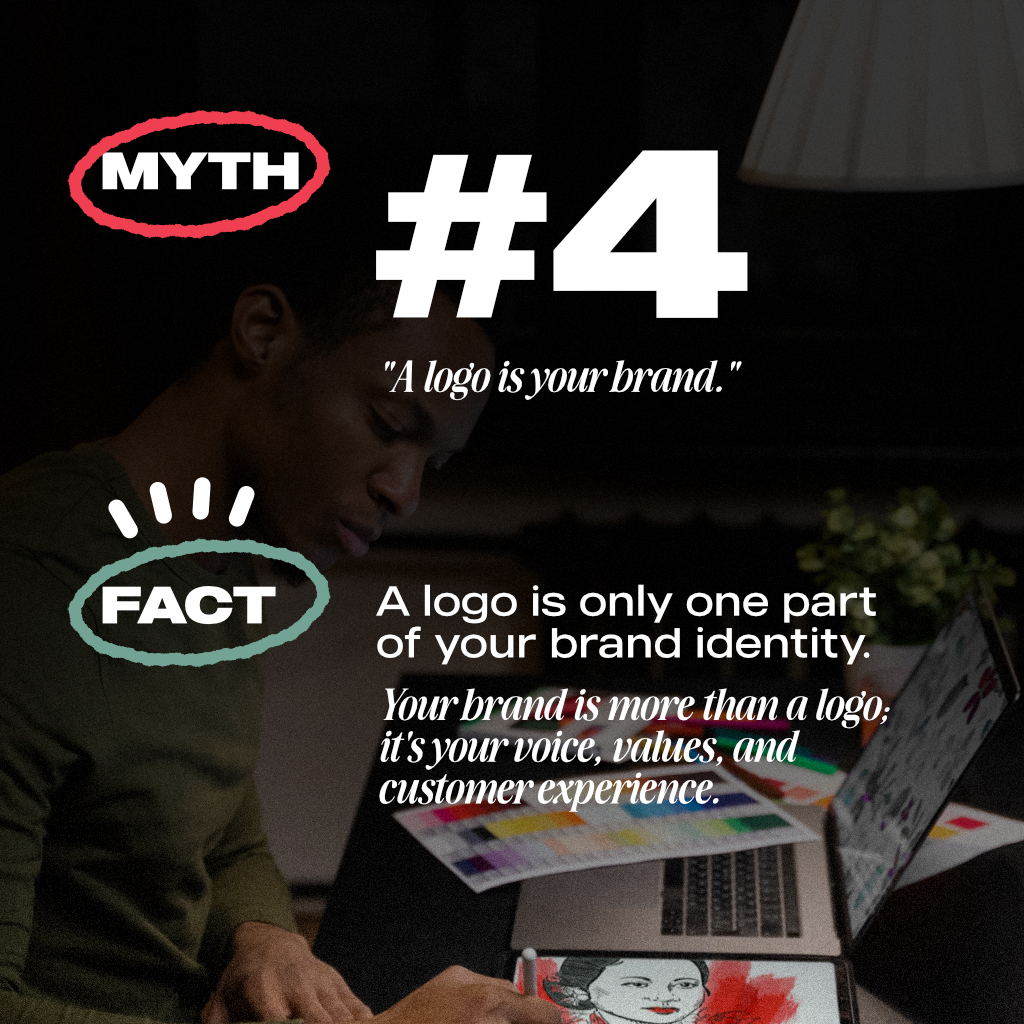
A logo is an important symbol, but it does not define a brand on its own. A brand is made up of voice, values, messaging, visual identity, and customer experience across every touchpoint. It reflects how people perceive and remember your business. Your logo identifies your brand, but your brand experience defines it.
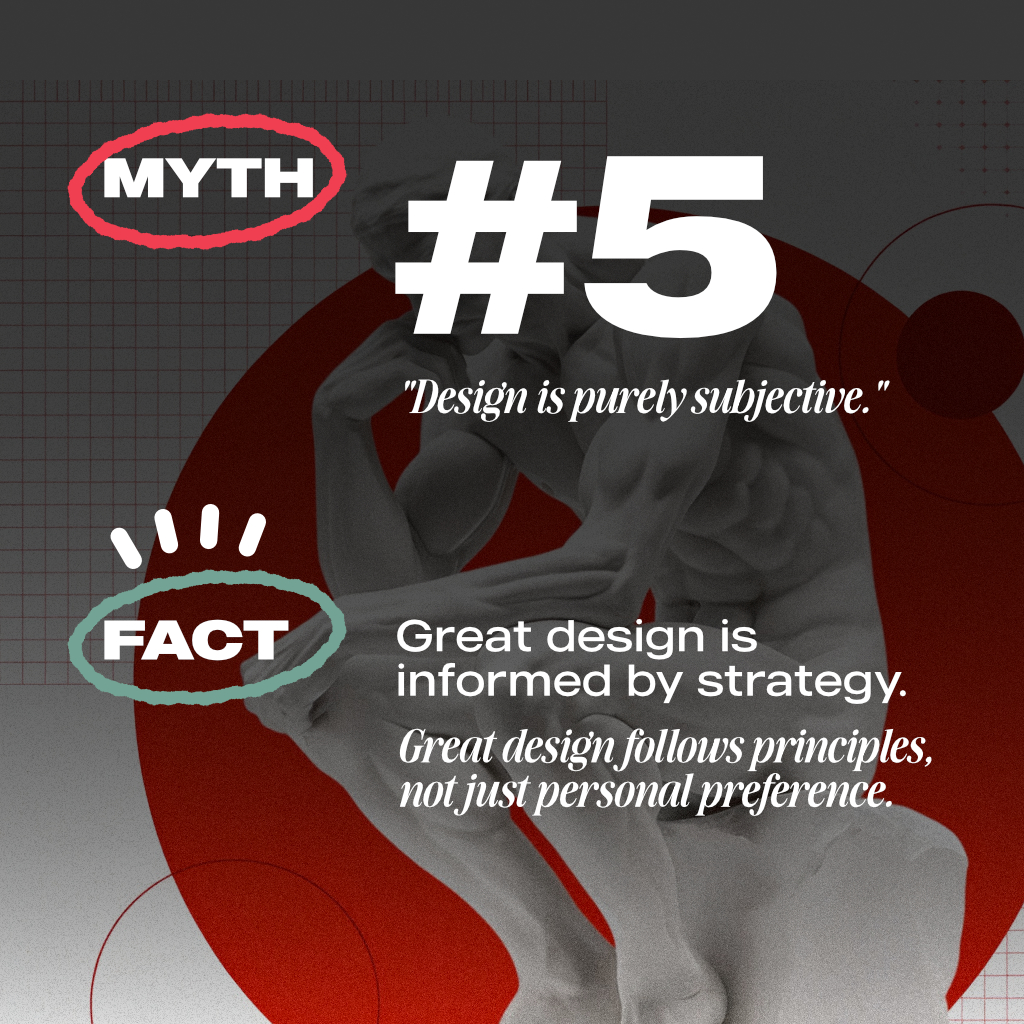
While personal preference can influence perception, effective design is not based on taste alone. Strong design follows principles such as hierarchy, balance, contrast, alignment, and consistency. More importantly, it is guided by strategy to ensure every design decision serves a purpose.
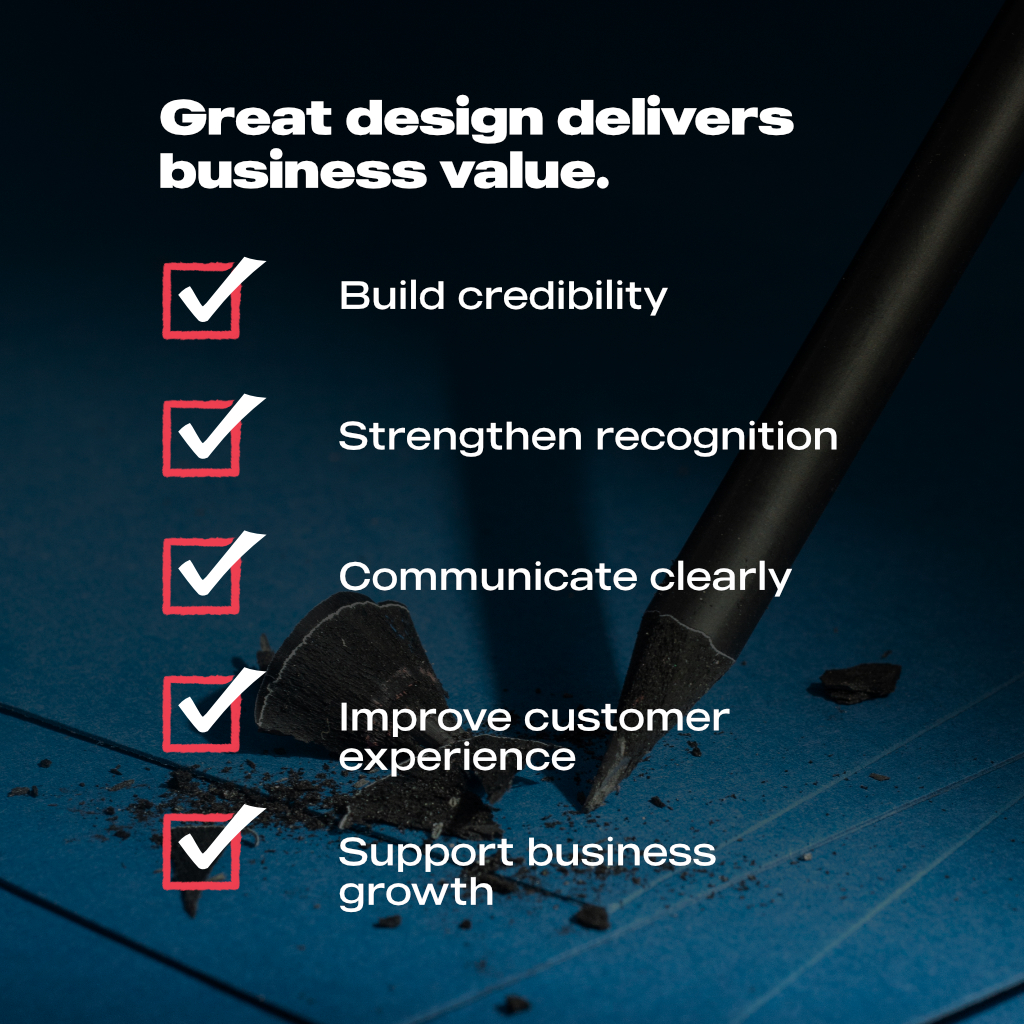
Graphic design is far more than aesthetics. It is a strategic discipline that shapes how brands communicate, connect, and grow. When design is intentional and purpose-driven, it becomes a powerful business tool rather than just a visual enhancement. At Her the Company, we believe design should always begin with strategy and end with impact.